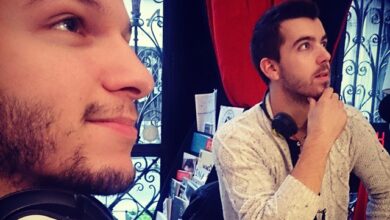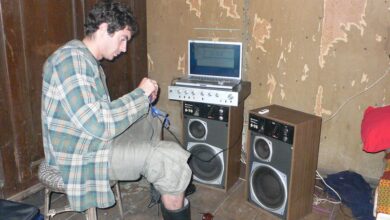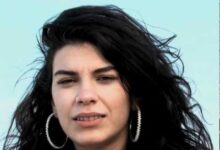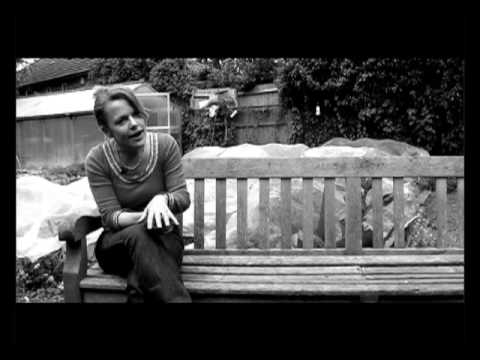
Another End of the World is Possible est une série de portraits vidéo tournée à Londres en 2007, à la rencontre de personnes qui agissent radicalement contre les causes profondes du changement climatique. Julie nous explique son engagement et sa manière d’agir.
La série Another end of the world is possible → Tous les portraits dans Les Gens →
La transcription
Transcription automatique à partir des sous-titres YouTube (en).
[00:12] the end of the world when i do have nightmare scenarios in my head um but i also have i've got i think we have got the wherewithal to get out you know i do i do a thing and i have to and i do that's that's very much what i think we can we can sort this out we can sort it out and we can come out with something that's hugely better to this i do worry about between here and there though what growing communities is trying to do is essentially reduce how much carbon it takes to feed us really and that's how we're trying to do that is we're trying to we're trying to harness um the buying power and the energies and the skills of our community and focus it towards those producers and those farmers who are growing the kind of food in the way
[01:11] that we think it needs to be grown as inorganically and locally and in a sustainable way and using you know very good animal welfare practices and also as the price of oil continues to rise then the whole economics of food being grown locally versus food being shipped in from board is going to start changing um and we want to be there we want to be there ready but it is possible to grow food here and it is possible to to do that in a way that's financially viable in a way that hopefully in the future people can think about making a living by doing it because because it's actually by growing food here there's zero food miles the food that's grown here in the city i think we need what we need a world which is hugely relocalized so i mean in
[02:06] terms of the food i mean there's food energy transport all of these things need to start not start working on a local level so we're not relying on on fossil fuels to drive those those systems and as part of that when you relocalize people get closer together and people get closer to the source of things and the organization now is very very flexible to people who have children who want to work part-time and that's largely been driven by the fact that it was set up to enable to to enable initially me and the people that have come in to kind of help get this organization up and running we work around what it is that you know works for people and we're all really locally based now you know we walk to work um it's our comm you know it's our
[02:53] community and we can actually see the direct effects of what we're doing and also we have all this fantastic food every week so i mean growing communities brings those two things together it's driving forces environmental but it's also about building community where i actually think we've got a replica you know we've got a replicable model here we have actually got something where if people come to us and say can you show us what you're doing we've got something here that can work you know and we're financially self-sufficient now we have had grant funding over the last 10 years but last year we came to the point where all our income is actually self-generated we're completely independent what i've always tried to do is create
[03:39] what something that would be how i think the world could be or should be it's going to be incredibly positive i think to get back to that to get back to knowing where our food comes from knowing the people that grow our food actually investing in the people that grow our food and um and that's there's there's real benefits to that in in a kind of spiritual is the wrong way but you know in in in a sense of community and building and and being in touch with people and the food and and the soil and and the seasons and we've lost so much of that and we've lost the ability to actually feed ourselves and sustain ourselves feed that's made me feel quite sad actually because i was thinking about starving and things linked in with the end of the world
[04:36] um i'm gonna stop now i think you

Un e-mail de confirmation vous attend après l’inscription, et la désinscription se fait en un clic depuis chaque lettre.