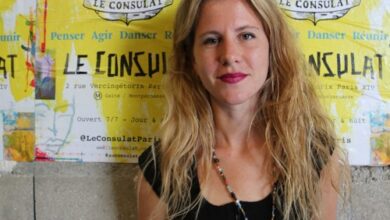
John Jordan est artiste activiste, un des fondateurs de la Clandestine Insurgent Rebel Clown Army et du mouvement Reclaim the streets (1995-2001).
Il est membre du collectif Notes from nowhere, ancien assistant en beaux-arts à Sheffield Hallam University (en 2012).
John Jordan est co-fondateur avec Isabelle Frémaux du collectif The Laboratory of insurrectionary imagination.
La transcription automatique par TRANSCRIPTIVE:
00:00:01:12
Question of art is no longer statics, but the survival of the planet, that way we can begin to look at, uh, start to actually maybe shift the way we actually think about all systems. So we shift the way we think about social systems. Uh, we shift the way we think about ecological systems because we begin to see things in a networked way, which is of course, an ecological way. We begin to see systems all in independent and embedded, uh, without center, without hierarchy. Um, so for me, the key thing that I hope will come out of this whole discourse of immaterial labor is, uh, beginning to understand that the, for of an ecological crisis, but the beginning of shifting the way we think about reality, how do we face these things face? The reality of the emergency that we’re in and at the same time act, because I think we can act without facing these, these things. So how can you be in the darkness and in the hope at the same time to not think about the future too much, because we have to always accept that the future is unexpected. We never know what will happen. And just to actually really work in a sense in that moment of the present and really know that every act we do in the present can make a difference. And yet we never know what that difference will be. It can be a massive change. It
00:01:37:07
can be a little change. It can be a massive change for three steps and change. Isn’t a linear process. It isn’t a cause and effect. It’s very, very, very much this kind of chaotic, um, networked unexpected system. But I think if they’re not connected to a social space to really, to creating some kind of new way of being in a social space would bring bringing people together face to face, to get rid of the alienation and the isolation that we all feel capital works because it keeps us isolated from each other. That’s its main tool. It keeps us isolated and then any competition with each other. And so as long as if these forms are placed within context, where that can happen, then I think that’s, that’s where we’re winning. Um, and I think there are a lot of people who are on their own, who may be sitting producing fantastic pieces of media viruses or videos sitting in front of their computer. And they’re not happy. They’re not, you know, they’re not engaging with other people in a warm way. And I think the more we can work in that kind of in those affinity groups and creating new communities in resistance, then the more powerful those messages will be. And the more powerful each one of us will be catheters, more weight.
La transcription
Transcription automatique à partir des sous-titres YouTube (en).
[00:01] the question of artart is no longer Aesthetics but Survival on the planet that way we can begin to look at uh start to actually maybe shift the way we actually think about all systems so we shift the way we think about social systems uh we shift the way we think about ecological systems because we begin to see things in a in a networked way which is of course an ecological way uh we begin to see systems as all in interdependent and embedded uh without Center without hierarchy um so for me the key thing that I hope will come out of this whole discourse of immaterial Labor is a beginning to understand of the act of an ecological crisis but a beginning of Shifting the way we think about reality how do we face these things face
[00:57] the reality of the emergency that we in and at the same time act because I don't think we can act without facing these these things so how can you be in the darkness and in the hope at the same time to not think about the future too much because we have to always accept that the future is unexpected we never know what will happen and just to actually really work in a sense in that moment of the present and really know know that every act we do in the present can make a difference and yet we never know what that difference will be it can be a massive change it can be a little change it can be a massive change through three steps change isn't a linear process it isn't a cause and effect it's very very very uh much this kind of chaotic um networked
[01:51] unexpected system but I think if they're not connected to a social space to really to create some kind of new way of being in a social space we bring bringing people together face to face to get rid of the alienation and the isolation that we all feel Capital works because it keeps us isolated from each other that's its main tool Keeps Us isolated in any competition with each other and so as long as if these forms are placed within context where that can happen then I think that's that's where we're winning um and I think there are a lot of people who on their own who may be sitting producing fantastic pieces of media viruses or videos sitting in front of their computer and they're not happy they're not you know they're not
[02:37] engaging with other people in a warm way and I think the more we can work in that kind of yeah in those Affinity groups in creating new communities in resistance then the more powerful those messages will be and the more powerful each one of us will be capitalism will always tell us that it's going to be okay

Un e-mail de confirmation vous attend après l’inscription, et la désinscription se fait en un clic depuis chaque lettre.
 ▶
 ▶
 ▶